
Why Stainless Steel Bathroom Vanities?
Every year, hotels replace thousands of bathroom vanities — not because they're outdated, but because they've failed. Swollen MDF panels. Warped solid wood doors. Peeling PVC laminate. In high-humidity environments like bathrooms, traditional materials simply don't hold up.
The root cause is simple: wood-based materials absorb moisture. No amount of waterproof coating fully solves this problem, especially in commercial settings where bathrooms see heavy daily use, steam from showers, and aggressive cleaning chemicals.
Stainless steel eliminates this problem entirely. A stainless steel bathroom vanity uses SUS 304 stainless steel as its structural body — the frame, panels, and internal shelves are all metal. But unlike the cold, industrial stainless steel you might imagine, modern manufacturing techniques allow these vanities to be finished with wood grain veneer, sintered stone panels, matte lacquer, or PVD coatings. The result: a vanity that looks identical to a luxury wooden cabinet but lasts 3-5 times longer.
For contractors, hotel developers, and distributors evaluating long-term value, understanding this material difference is critical.
Request a QuoteStainless Steel vs Wood vs MDF vs PVC — A Complete Comparison
| Feature | 304 Stainless Steel | Solid Wood | MDF / Particle Board | PVC |
|---|---|---|---|---|
| Water Resistance | ★★★★★ Fully waterproof | ★★☆☆☆ Absorbs moisture | ★☆☆☆☆ Disintegrates when wet | ★★★☆☆ Resistant but degrades |
| Lifespan | 20+ years | 10-15 years | 3-8 years | 8-12 years |
| Formaldehyde | Zero | Low (with treatment) | High (adhesive-based) | Low-Medium |
| Load-Bearing | Excellent | Good | Poor (shelf sag) | Fair |
| Fire Rating | Non-combustible | Combustible | Combustible | Self-extinguishing but melts |
| Maintenance | Wipe clean, no re-sealing | Periodic re-sealing, waxing | Cannot repair water damage | Yellows over time |
| Scratch Resistance | High (with PVD) | Medium | Low | Low |
| Recyclability | 100% recyclable | Recyclable | Difficult | Difficult |
| Aesthetic Options | Any finish possible | Natural wood only | Laminate | Limited colors |
| 10-Year Cost | $$ (buy once) | $$$ (buy + maintain + replace) | $ × 2-3 = $$$ | $$ × 1-2 = $$ |
The bottom line: Stainless steel costs slightly more upfront than MDF or PVC, but its 20+ year lifespan and zero maintenance make it the most cost-effective choice for any project where longevity matters.
304 vs 201 Stainless Steel: What's the Difference?
SUS 304 contains 8-10% nickel and 18-20% chromium. This composition creates a dense, stable oxide layer that resists corrosion even in prolonged contact with water, humidity, and cleaning chemicals.
SUS 201 contains only 1-3.5% nickel, substituting manganese. While cheaper, it corrodes significantly faster in humid environments. In tropical climates or high-use hotel bathrooms, 201-grade vanities can show rust spots within 2-3 years.
LANGDENG uses exclusively SUS 304 stainless steel. Every vanity body is 304 grade, 0.8-1.0mm thickness.
When evaluating suppliers, always ask for the steel grade and request a material test certificate. If a supplier won’t specify, they’re likely using 201.
Surface Treatment Options
Wood Grain Veneer / PVC Film
Real wood veneer or high-quality PVC film creates the warmth of walnut, oak, or teak without moisture vulnerability.
Sintered Stone Panel
Ultra-thin sintered stone (3-6mm) bonded to steel. Marble, travertine, and slate textures. Scratch-resistant, heat-resistant, UV-stable.
Matte Lacquer
Spray-applied in any RAL color. Full color customization — white, black, emerald green, navy blue.
PVD Coating
Vacuum-deposited metallic layer (gold, rose gold, black titanium). Extremely durable, scratch-resistant, fingerprint-resistant.
Fluted / Ribbed Texture
2025-2026’s strongest design trend. Achieved through precision CNC stamping on stainless steel.
Best Applications
Hotels & Resorts
Withstands aggressive cleaning, daily steam, high guest turnover. Zero formaldehyde meets indoor air quality standards.
Apartments & Condominiums
Reduced warranty claims for developers. No swelling, warping, or delamination.
Commercial & Public Facilities
Vandal-resistant, easy-to-clean, meets fire safety codes.
Tropical & Humid Climates
Where humidity exceeds 80%, wood fails within 3-5 years. Stainless steel is unaffected.
Renovation Projects
Replace failed wood/MDF vanities permanently. Lighter than solid wood = less wall stress.
Featured Stainless Steel Vanities
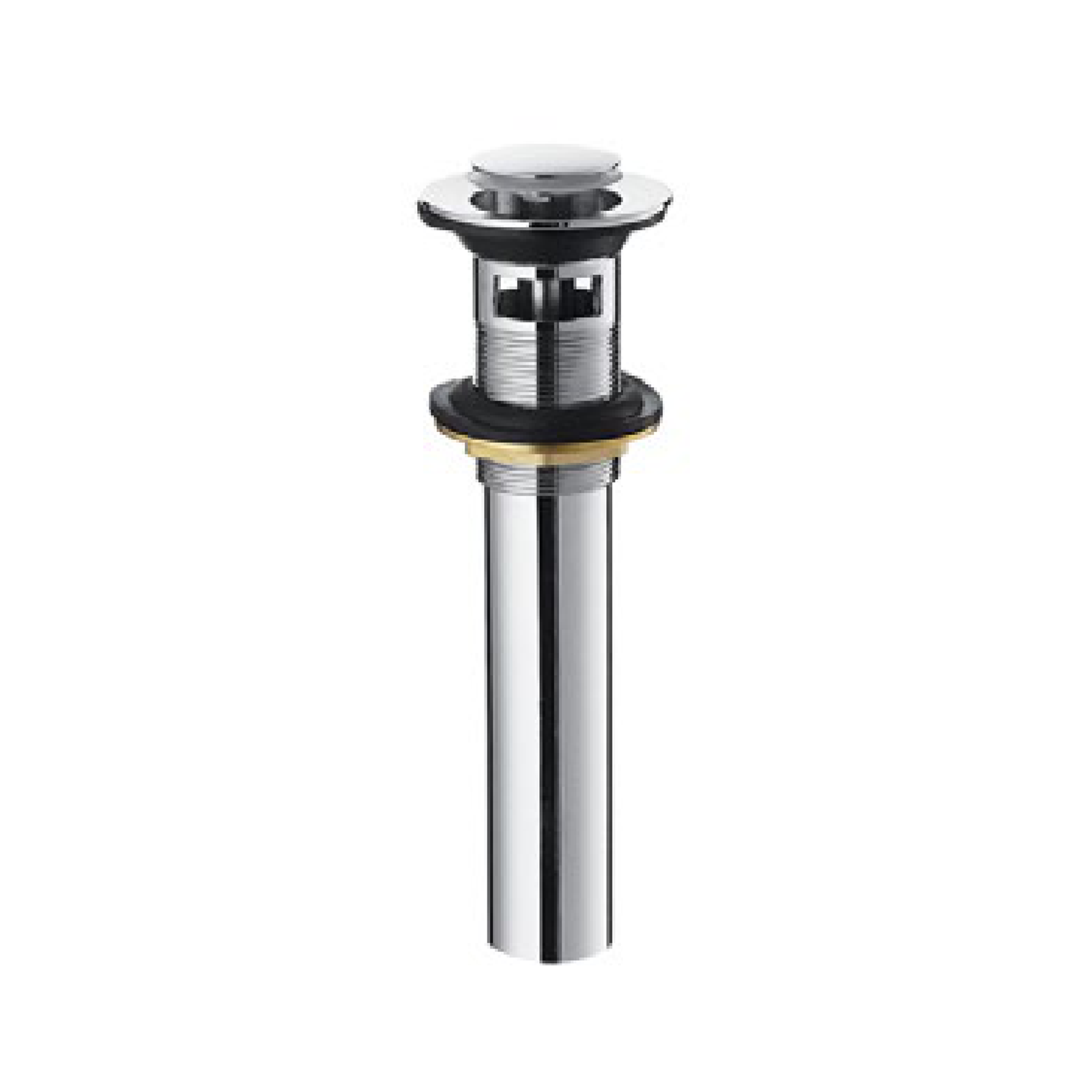
LD-9802
LANGDENG Floor Drain LD-9802A
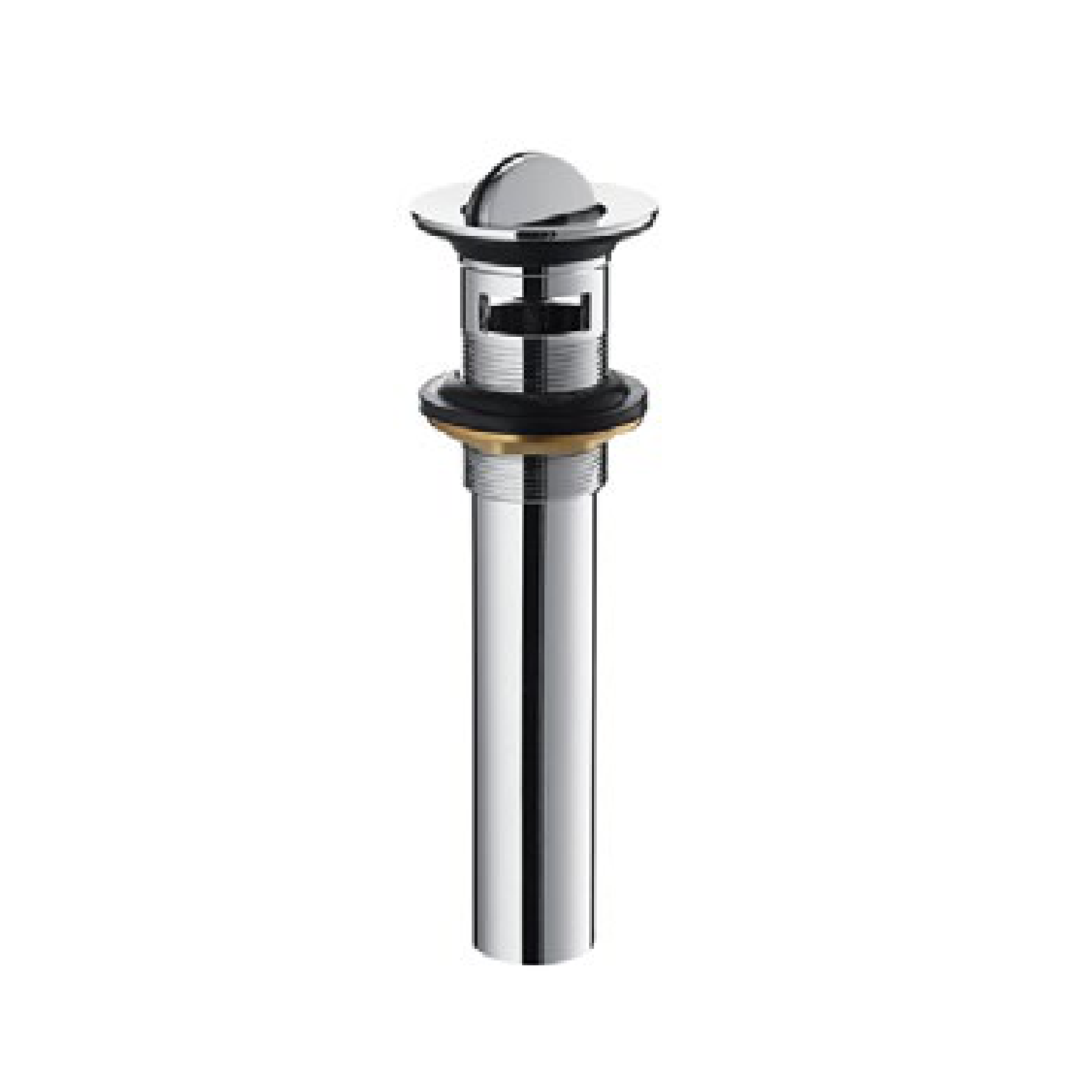
LD-9801
LANGDENG Floor Drain LD-9801A
LD-8920
LANGDENG Floor Drain LD-8920S
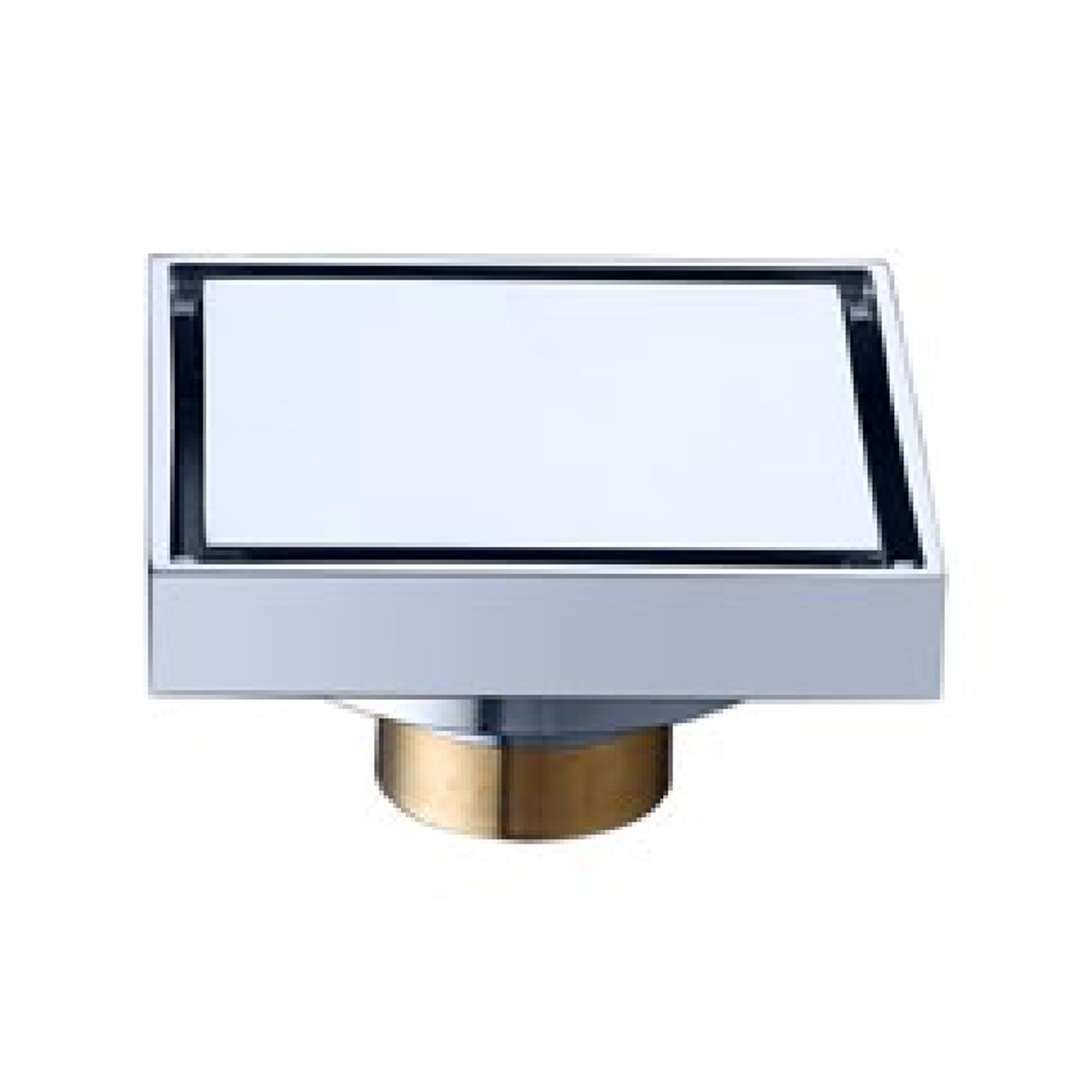
LD-8920
LANGDENG Floor Drain LD-8920
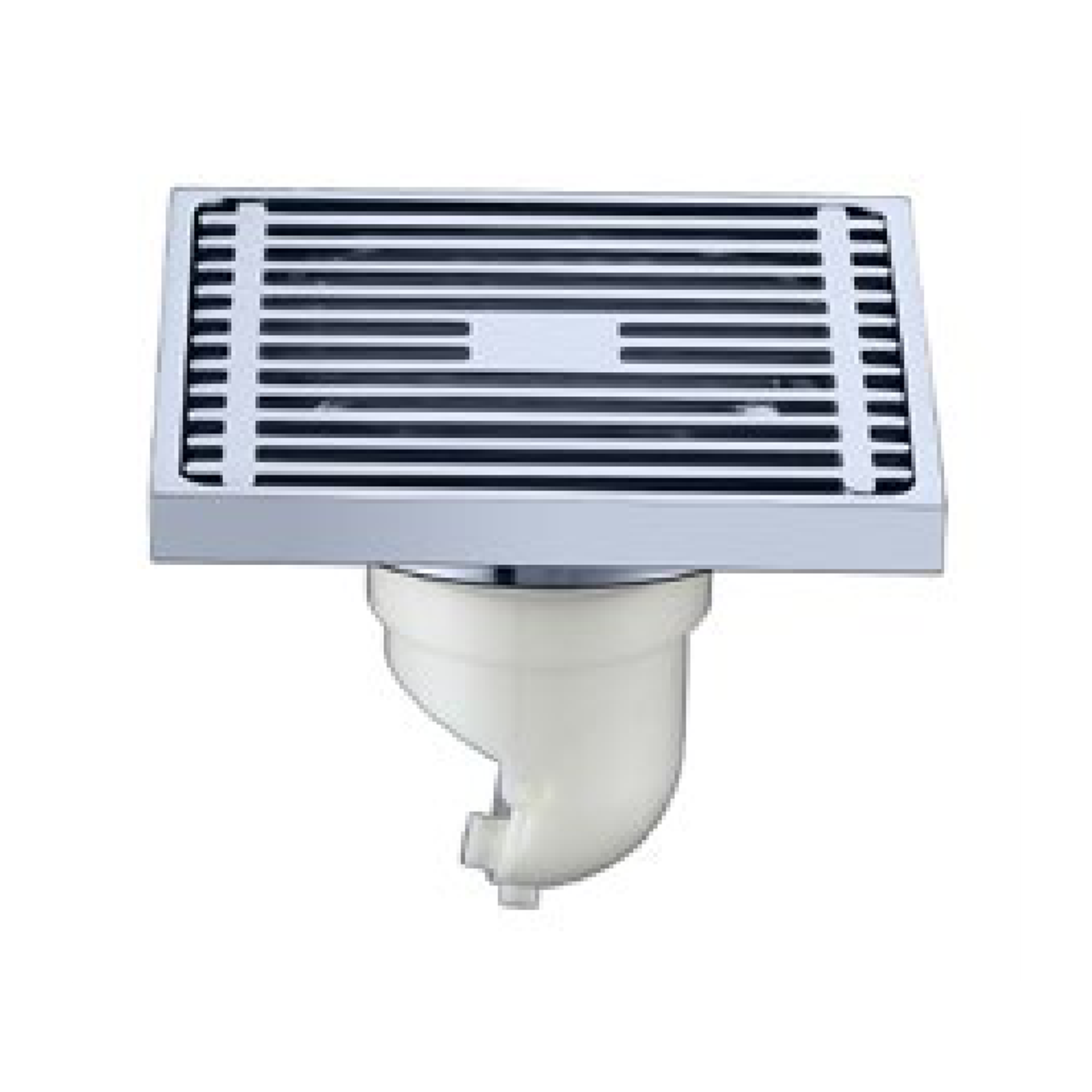
LD-8112
LANGDENG Floor Drain LD-8112
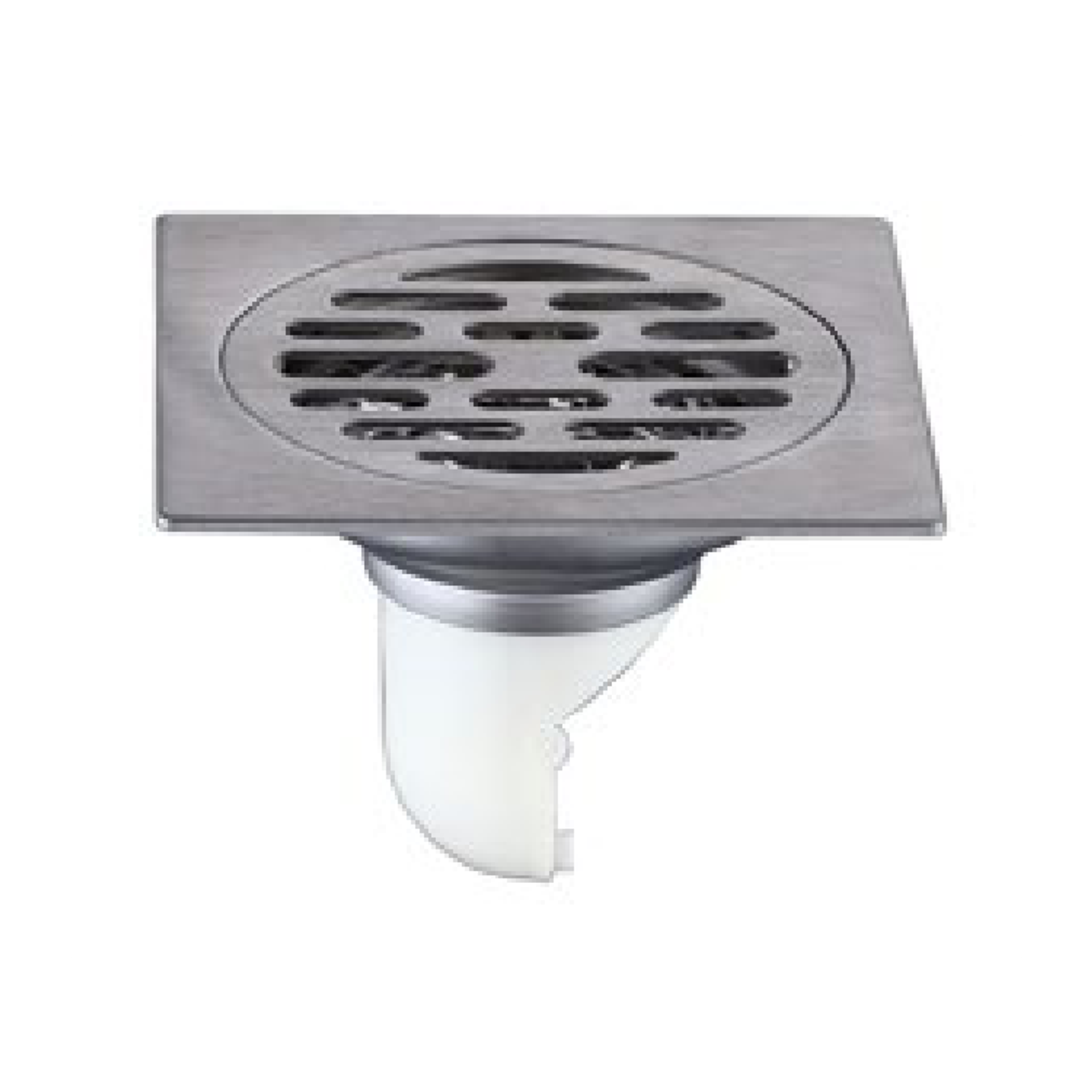
LD-8102
LANGDENG Floor Drain LD-8102G
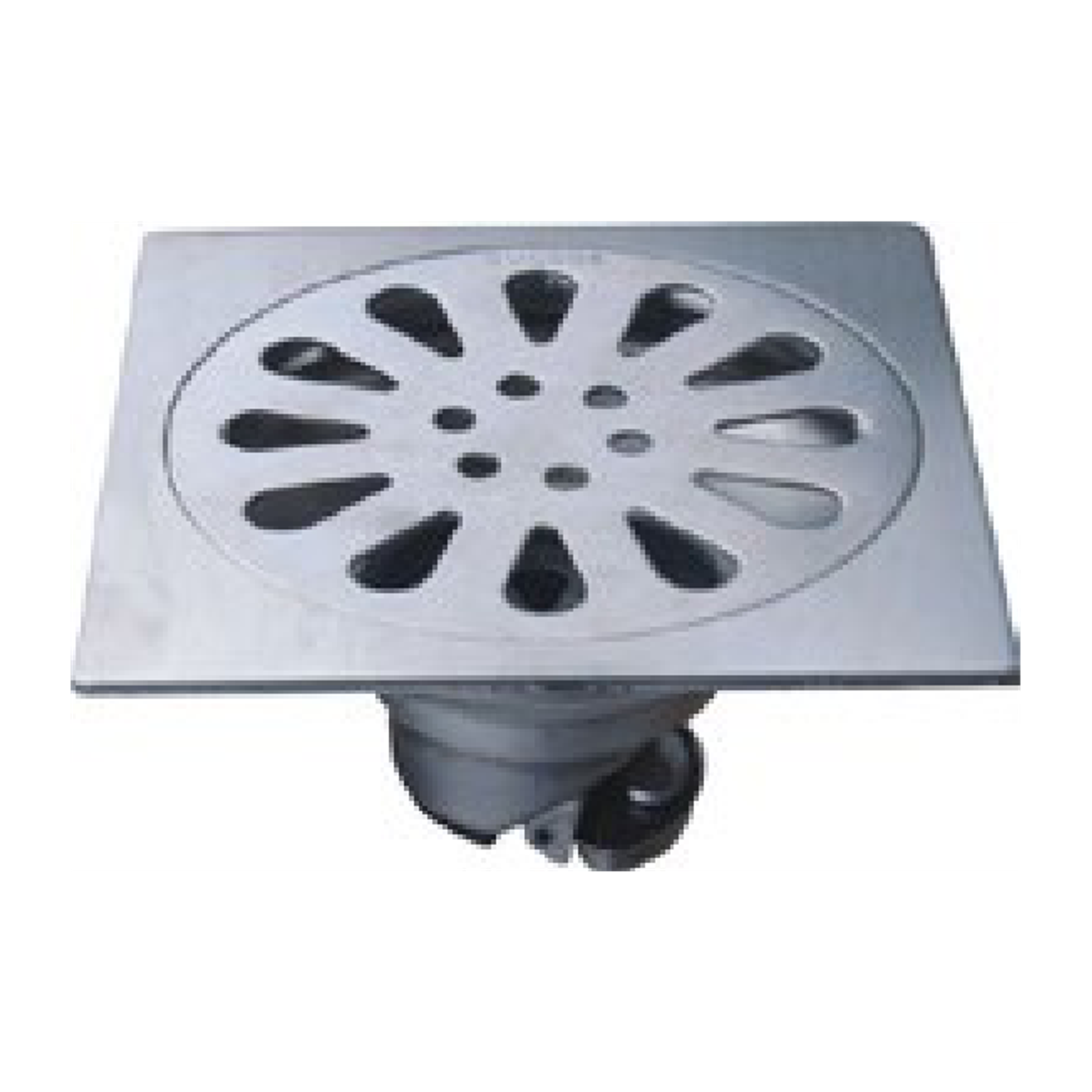
LD-6100
LANGDENG Floor Drain LD-6100S
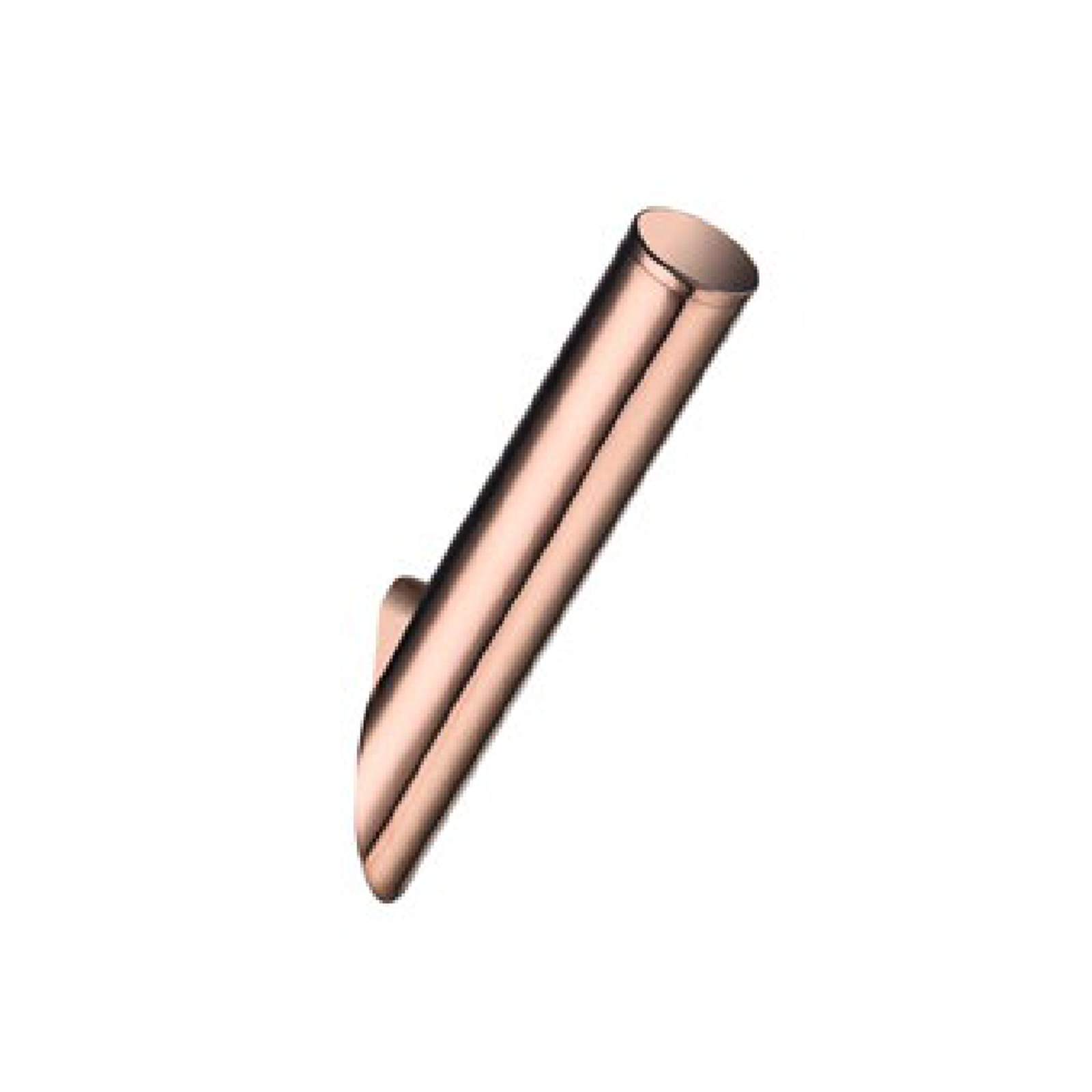
LD-8913
LANGDENG Robe Hook LD-8913
Frequently Asked Questions
Do stainless steel vanities rust?
Not with SUS 304 grade. The chromium forms a self-healing oxide layer that prevents rust, even with constant water exposure. Lower-grade 201 steel may rust — always verify steel grade.
Are stainless steel vanities more expensive than wood?
Upfront cost is comparable to mid-range solid wood. Over 10 years, stainless steel is significantly cheaper (zero maintenance, no replacement). For a 200-unit hotel project, lifetime savings can exceed 40%.
Can stainless steel vanities look like wood?
Yes. Wood grain veneer and PVC film replicate virtually any wood species — walnut, oak, teak, cherry — with realistic texture. Most end users cannot distinguish them from real wood.
How do you clean a stainless steel vanity?
Wipe with damp cloth and mild soap. No special cleaners, no re-sealing, no waxing. Any non-abrasive bathroom cleaner works for stubborn stains.
What is the weight compared to solid wood?
Lighter than equivalent solid wood, making shipping and wall-mounting easier. Exact weight varies by model.
What is the MOQ?
Standard MOQ: 30 sets per model, mixed orders negotiable. Contact us to discuss your project.
Ready to Switch to Stainless Steel?
Get a competitive quote for your next project. LANGDENG manufactures premium 304 stainless steel vanities with full OEM/ODM customization.